






















































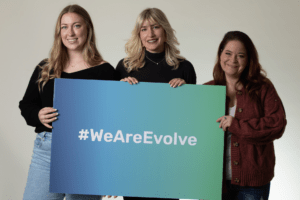


Alyson Orcena, LMFT, Melissa Vallas, MD, Shikha Verma, MD, Ellen Bloch, LCSW, Lianne Tendler, LMFT, Megan Johnston, LMFT
Meet the Team >
If your teen is struggling with mental health or addiction issues, you may feel trapped. The situation may seem too big or too complex to ever escape. It can be hard to believe that things can and will get better. But know that even as things seem darkest, you and your family can find freedom in recovery. We know more about addiction and mental health than ever before, and specialized recovery support for teens addresses the unique causes and effects of these issues in adolescents.
Do We Need Teen Substance Abuse Treatment?
Life is difficult when you’re a kid. Peer pressure has its most powerful hold over you, and the brain is at its most impulsive. You feel overwhelmed and misunderstood. You don’t yet have the words or the skills to communicate with friends or family, and you don’t have independent access to mental healthcare, so you may feel stuck and alone.
Because of this, many teens may turn to drug and alcohol use. This isn’t a failure on their part or a failure on the part of a parent. Natural High shares that 26% of 12th graders have used illicit drugs. And while use isn’t the same as abuse, it’s important to note that any drug or alcohol use puts teens’ immediate health at risk. It also puts them at risk for addiction, since the stats show that using addictive drugs before age 15 means someone is 6.5 times more likely to struggle with addiction than someone who waits until after age 21 (or doesn’t use drugs at all).
These statistics aren’t shared to scare kids or parents straight, making addiction seem like an inevitability for today’s teens. They are shared knowledge is power. That’s why we highlight the importance of acknowledging any problems when you first notice them, reaching out to your teen, and taking quick action to find an appropriate teen drug treatment program. Prompt, effective addiction rehab for adolescents provides the opportunity and ability to find freedom now and live a healthy, drug-free life well into the future. After all, the sooner someone starts their journey to wellness, the easier and more successful it will be, and the more years of healthy, balanced living lie ahead.
Do We Really Need Teen Mental Health Treatment?
Mental health concerns can be a significant stumbling block to a healthy, successful future all on their own. And they can get in the way of adolescent recovery efforts. So how much of a problem are teen mental health issues? Thinkkindness.org explored teen mental health statistics and found some startling results. Namely, that many teens aren’t happy. They feel sad and hopeless, and 20.6% of those surveyed have considered suicide. This suffering impacts their ability to participate in school, make friends and simply be well. Some of this unhappiness stems from bullying, media influence, and a lack of empathy. And some of it stems from diagnosable and treatable mental health issues.
According to the World Health Organization, one in seven adolescents has a mental health condition and that the most common of these include the following:
- Depression
- Anxiety
- Behavioral disorders like attention deficit hyperactivity disorder or conduct disorders
- Eating disorders
Mental health issues aren’t adults-only problems. They also aren’t a “phase” a kid will grow out of. The longer a teen’s mental health goes unsupported, the more of an issue it becomes now and in the future. It also increases the likelihood that a teen will turn to drugs or alcohol as a “quick fix” with long-term consequences.
Mental health impacts if and how teens use drugs. And drug use in turn can create or worsen co-occurring mental health disorders. But know that mental health issues aren’t a life sentence. With customized, holistic teen mental health treatment, recovery for teens and freedom from mental health symptoms are in reach. Look for programs like Evolve that understand the complex relationship between substance use and mental health and will address these issues through residential treatment, partial hospitalization or intensive outpatient drug rehab options.
What Are Some Signs of Mental Health Issues and Addiction in Teens?
You may be here because you know you or your teen is struggling. Or you may be here because you’re concerned but aren’t exactly sure what, if anything, is wrong. As a parent, trust your intuition, and look for potential signs of addiction or mental health issues such as the following:
- Seeming unusually withdrawn or sullen, unusually hyperactive or elated or swinging between these two states
- Changes in friend circle or changed relationships with family members
- Acting uncommunicative, argumentative, depressed or anxious
- Increasingly absent from school, work or home life
- Secretive about phone, bedroom or whereabouts
- Sudden changes in physical health, weight or energy levels
- Sudden changes in physical appearance or hygiene
You know your child better than anyone else. If something feels off, it probably is. Don’t dismiss sudden changes in behavior or mood as “being a teen.” And don’t be afraid to ask your child direct questions about potential drug use or about their thoughts and feelings. Reach out to a professional if you have any concerns or questions about their health, happiness and safety. Don’t stay trapped in uncertainty and worry.
Tips for Succeeding in Teen Substance Use Recovery
If you want your teen to succeed in recovery, start with the right treatment! Adolescent-specific programs like those at Evolve set your teen up for early and long-lasting freedom. Teen substance abuse treatment programs understand the unique challenges teens face and the best ways to address them. However the real world isn’t like inpatient treatment. It isn’t even like intensive or regular outpatient rehab for teens that offers structure, support, supervision and guidance, even without you having to ask for it! So after providing immediate stabilization and recovery support, treatment needs to set teens up for success. It needs to provide practical tools such as the following:
- Healthy physical outlets. Treatment like ours at Evolve introduces your child to healthy activities and outlets like hiking, cooking, yoga and rock climbing. When included as part of your teen’s treatment plan, these activities offer opportunities for fun, community, self-exploration and complete wellness both in treatment and long after treatment ends.
- Healthy emotional outlets. Lots of healthy physical activities have emotional benefits. But in addition to outdoor time and fun exercise, success in recovery should also include creativity and self-expression. Evolve and other treatment programs help your child succeed in recovery by teaching ways to use art, music and more for continued healing, communication and emotional support.
- Family support. As a parent, you play a key role in your teen’s recovery success. Programs like ours at Evolve make sure you stay engaged, supported and informed so your family can grow and succeed together.
- Continued care. Therapy for teens shouldn’t end once treatment does. Succeeding in recovery means continuing to check in with your primary treatment team and connecting to regular, local resources for ongoing teen drug counseling and support.
Success in recovery isn’t just not using drugs. It’s freedom from mental health symptoms and finding the support needed to thrive now and long into the future. And the sooner you start asking questions and asking for help, the sooner your teen can break away from addiction and find mental and emotional wellness.
What Is Relapse?
A relapse is a return to drug or alcohol use or to other previous mental health symptoms. It can result from trying to “DIY” recovery, choosing the wrong treatment or simply from the nature of addiction and mental health issues. “Relapse” can sound like a big, scary, end-of-the-road word. But a relapse is never the end of recovery. While the goal is always to avoid relapse, a relapse can be an opportunity for learning, growth, and forward progress toward freedom if it’s addressed quickly and compassionately.
If your family has tried to break free from addiction and mental health issues before, don’t be discouraged. Relapse is unfortunately common among teens, with the Recovery Research Institute sharing that 55-90% of teens relapse within the first year after treatment. This high rate of relapse is often connected to adolescent addiction rehab programs misunderstanding teens’ specific recovery needs and sobriety challenges. Teens are heavily influenced by external forces like peers and family, and freedom in recovery means focusing relapse-prevention efforts on these in addition to offering substance use treatment and mental health care support.
What Is Adolescent Rehab?
At Evolve we welcome you and your teen, no matter where life has taken you or what twists and turns previous recovery attempts have involved. We can help from the earliest stages of identifying and diagnosing mental health and addiction issues to determining what type and level of treatment will best suit your teen and your family. Our care involves highly personalized care that includes proven, evidence-based treatment types like dialectical behavior therapy (DBT), Cognitive Behavioral Therapy (CBT), Motivational Interviewing (MI) and more.We will set you up for success and include relapse prevention and planning in your teen substance use recovery plan.
With over a decade of experience supporting teens in their journey to get well and stay well, we know how to help young adults and their families find health and wholeness. Come experience joy, success and freedom with us. Reach out today to learn more about our programs and how we can support your family now and long into the future.n therapies for BPD, including Dialectical Behavior Therapy (DBT), Mentalization-Based Therapy (MBT), and Cognitive Behavioral Therapy (CBT). Contact us today to learn more about finding the right mental health treatment for your teen.